
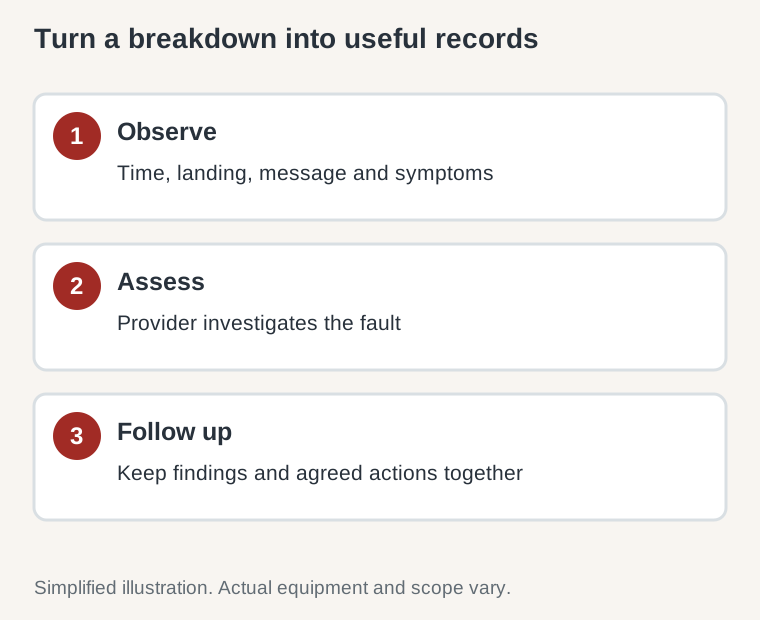
Repeated lift breakdowns need an investigation of the equipment and its history. Similar passenger symptoms can have different causes. An intermittent problem may not be present when the technician arrives, so a useful record helps the service company understand what happened.
A website cannot diagnose a lift from “it stopped again”. Avoid assuming every stoppage involves the same failed component, or that an earlier attendance explains a later incident.
Record observations, not a guessed cause
For each incident, note the date, time, lift identifier, location and what passengers observed. Record whether doors opened, buttons responded and anyone was inside. Include messages readable from a normal passenger area.
Do not enter restricted areas, remove covers or repeatedly operate faulty equipment to collect evidence. Reporting the problem and following the provider's instructions take priority over obtaining photographs.
Connect incidents with attendance records
Keep an incident reference, the provider's attendance reference and the follow-up outcome in one building log. This helps avoid several residents separately reporting fragments of the same event.
After attendance, ask what was found, what work was completed and whether investigation remains open. If the problem returns, refer to the earlier report and explain what is the same or different. Avoid reducing an unresolved investigation to a definite diagnosis in resident notices.
Questions about recurring problems
- Has a cause been identified, or is further investigation required?
- Which findings support the current assessment?
- Is the proposed work a repair, replacement component or upgrade?
- Is a part needed, and what is known about availability?
- What restrictions or follow-up arrangements apply meanwhile?
- When will the next update be provided?
A component name alone does not explain why a recommendation was made. Ask what the proposed work is intended to address and whether any uncertainties remain.
Maintenance and repair are different
Regular servicing does not mean a lift cannot develop a fault. Restoring operation after a stoppage does not necessarily complete every outstanding maintenance or upgrade recommendation. Review the programme, completed reports and repair recommendations together.
Do not reset or bypass equipment yourself. If someone is trapped, use the lift's emergency communication arrangements and call the building's emergency provider. Call 000 for immediate danger or a medical emergency.
Hiteck offers lift fault finding and repairs in Melbourne. For an urgent incident, call 03 9293 8100 rather than relying on the website form. For planned enquiries, provide the log and reports so the team can discuss the assessment required.