
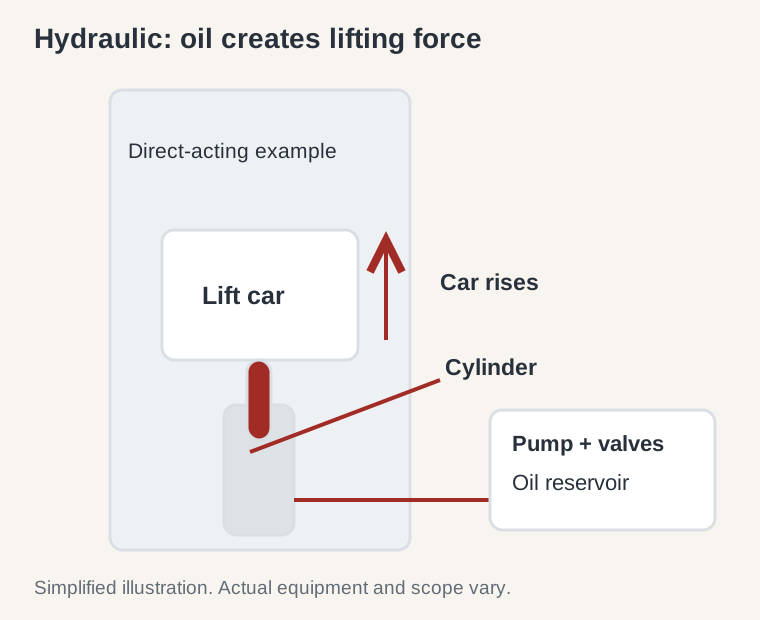
A hydraulic lift moves using pressurised oil and a lifting cylinder. For an owner, understanding the principle makes service reports easier to follow. It does not mean you need to access the machinery or diagnose a fault yourself.
The diagram shows a simplified direct-acting arrangement. Your lift may use a different cylinder position, multiple cylinders or ropes between the cylinder mechanism and the car.
What happens when the lift goes up?
An electric motor drives a pump. The pump sends oil from a reservoir through the control arrangement into a cylinder. Pressure acts on the piston or plunger, producing the force that raises the lift car, directly or through the installed lifting arrangement.
The controller coordinates the journey with the doors, position information and protective systems. The hydraulic mechanism is one part of the complete installation. A door or control problem can prevent travel even when the pump and cylinder are working.
How does it come back down?
In a typical hydraulic arrangement, controlled valve operation lets oil return to the reservoir. The car's weight provides the force for downward movement. The control system manages the journey and stopping at the landing.
This description explains the principle, not a procedure for operating valves or lowering equipment. Owners and building staff should leave machinery access and fault response to the responsible lift provider.
Which parts might appear in a service report?
- Pump and motor: provide the hydraulic flow used to raise the car.
- Reservoir: holds oil used by the system.
- Cylinder and plunger: convert hydraulic pressure into lifting movement.
- Valves and pipework: control and carry the oil flow.
- Controller and position equipment: coordinate movement and landing stops.
- Doors and protective devices: remain essential parts of the lift installation.
Ask the provider to identify the actual component, the finding and the recommended work. “Hydraulic fault” is a broad description rather than a complete repair scope.
What should an owner report?
Record the time, affected floor, displayed message and what occupants noticed from normal public areas. Describe changed ride behaviour or stopping position without trying to reproduce the problem. If oil is noticed in an accessible area, report where it is and follow the provider's instructions about use and access.
Do not open machinery cabinets, enter the pit or add oil. A visible symptom does not identify its cause or establish what needs replacing.
Does hydraulic mean low maintenance?
The drive type alone does not set the maintenance programme. Equipment design, condition, usage and the manufacturer's requirements matter. The servicing frequency guide explains the questions to ask about your installation.
When comparing a repair with an upgrade, request a written scope that identifies which parts are included and what assessment is still needed. Keep that scope with the service history so future decisions are based on the actual equipment.